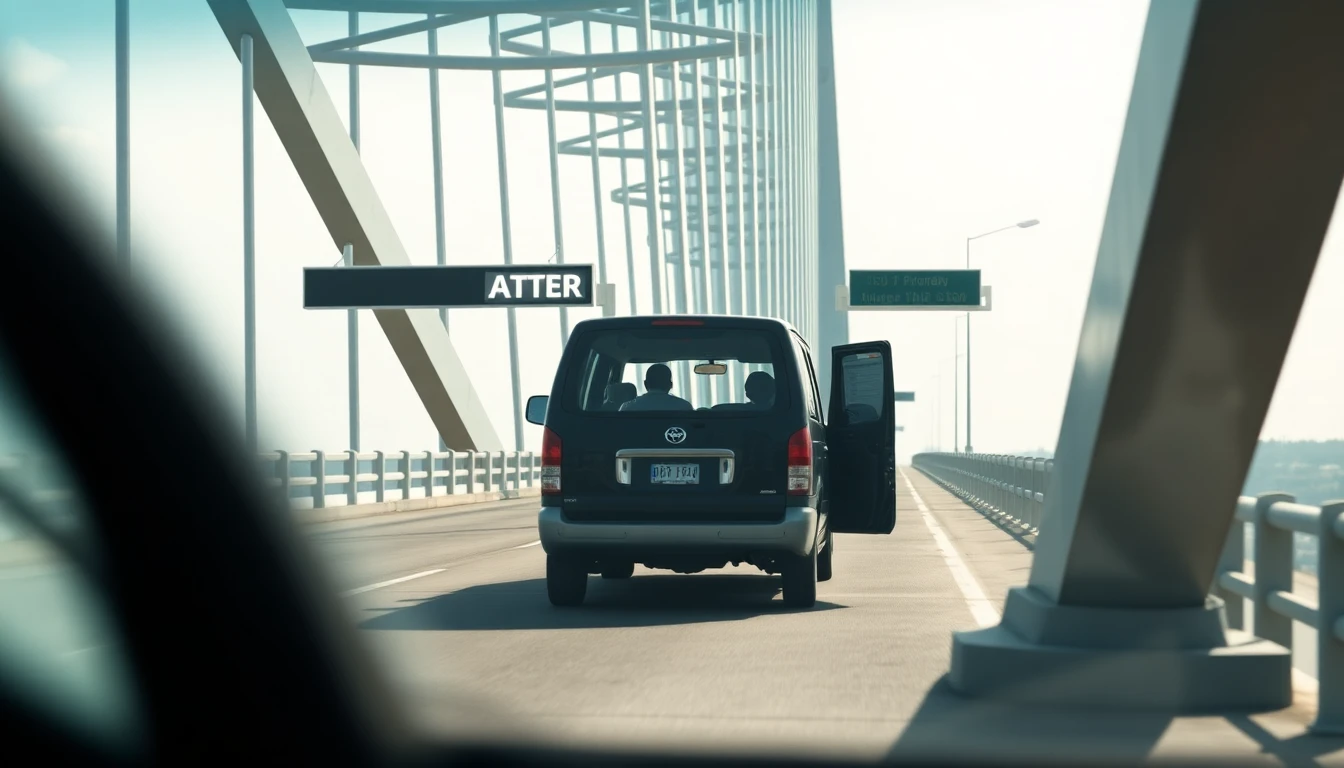
Priority access at the International Friendship Bridge for patients who need to cross regularly to Foz do Iguaçu remains in effect, but now operates under an individualized system with electronic registration and greater control. Brazil's Federal Revenue (RFB) clarified that the benefit was not eliminated but reorganized after detecting irregularities in the use of authorizations.
The explanation was given by Federal Revenue Customs Delegate Marcelo Mossi, who stated that the change occurred due to the increase in the number of authorized vehicles and cases where the special corridor was used without the presence of the patient who justified the authorization. The measure primarily affects families residing in Paraguay who transport children with autism spectrum disorder (ASD), cancer patients, and people undergoing hemodialysis who receive periodic therapies in Foz do Iguaçu.
The differentiated access system began during the COVID-19 pandemic in 2020 to facilitate patient movement during health restrictions. Over time, the number of authorizations exceeded 500, which, according to Mossi, made oversight difficult and allowed abuses, such as authorized vehicles crossing without the patient on board. "What was expected was that the child would be in the car. And what happened? There was no child when the vehicle crossed," the delegate reported.
With the reorganization, each case must now be requested individually, generating an electronic process with documentation justifying the need for priority access. The new rule explicitly establishes that the patient must be inside the vehicle during the crossing. Mossi guaranteed that the benefit remains available, informing that about 50 families with children with ASD have already obtained the new authorization one week after implementing the procedure.
The modification, however, generated concern among families. On July 14, parents and guardians of children with ASD residing in Paraguay protested in front of the Federal Revenue headquarters in Foz do Iguaçu. They alleged that without differentiated access, patients must face queues of up to two or three hours to cross the border, which can trigger sensory and behavioral crises in people with ASD. Protesters estimated that more than 400 families make this regular transit for private therapies in Brazil.
The Federal Revenue maintains that the new system seeks a balance, ensuring quick crossing for those who truly need it and preventing irregular use of the benefit through greater traceability and individual responsibility. The joint regulation of the new scheme, already signed by the Federal Revenue and Federal Police, was awaiting only the signature of the Federal Highway Police to be fully implemented.