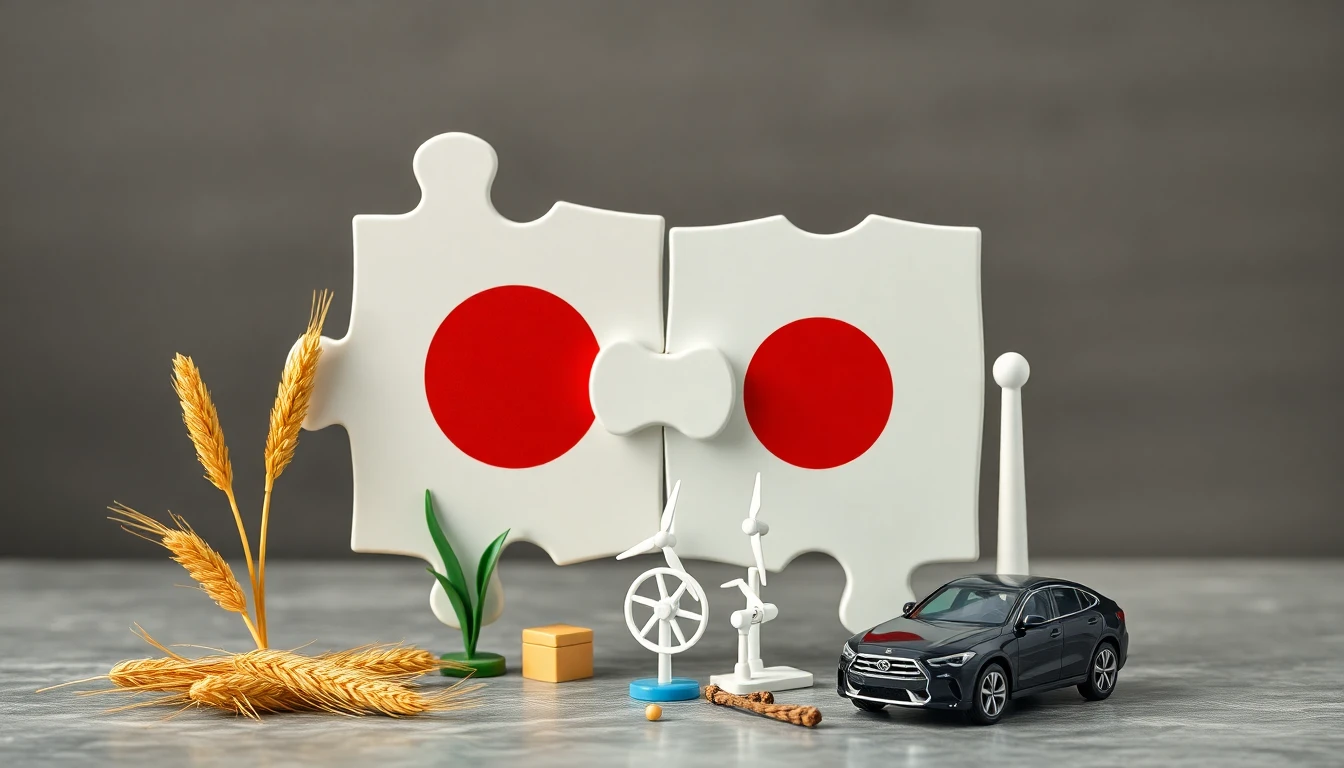
Mercosur and Japan have begun negotiations for an Economic Partnership Agreement (EPA) that could create one of the largest free trade zones in the world, encompassing around 400 million people and a combined GDP of $7 trillion. The announcement was made during the LXVIII Mercosur Summit of Heads of State, held in Luque, Paraguay.
The agreement aims to expand access to agricultural and industrial markets, as well as promote cooperation and reciprocal investments between the parties. Japan is one of the top ten trading partners of the South American bloc, with an exchange of $13.7 billion in 2025. Mercosur is also home to the largest Japanese community outside Japan.
The negotiations advance after two preparatory meetings held in Asunción in January and in Yaoundé, Cameroon, in March of this year. The agreement seeks to integrate strategic value chains, such as critical minerals, energy, and agribusiness, while strengthening food and economic security in the face of an unstable global scenario.
The automotive sector is one of Japan’s main interests, as manufacturers like Toyota, Honda, and Nissan face high tariffs in Brazil and Argentina. A treaty with Mercosur would allow them to compete on more balanced terms with European rivals, who already benefit from a trade agreement between the bloc and the European Union in 2026.
Historically, Japan’s agricultural lobby, especially the livestock sector, has been an obstacle to progress in trade relations. However, recently, Japanese lawmakers have signaled greater openness, provided there are protections for local beef production. Mercosur, in turn, offers resources such as oil, lithium, and rare earths, essential for the technology and defense industries.