Paraguay’s gross domestic product (GDP) grew 4% year over year in the second quarter of 2026, slowing from 7.3% in the first quarter. Growth reached 5.7% in the first half of the year. The Central Bank of Paraguay (BCP), which is responsible for the Quarterly National Accounts, revised first-quarter growth upward, from 5.8% to 7.3%.
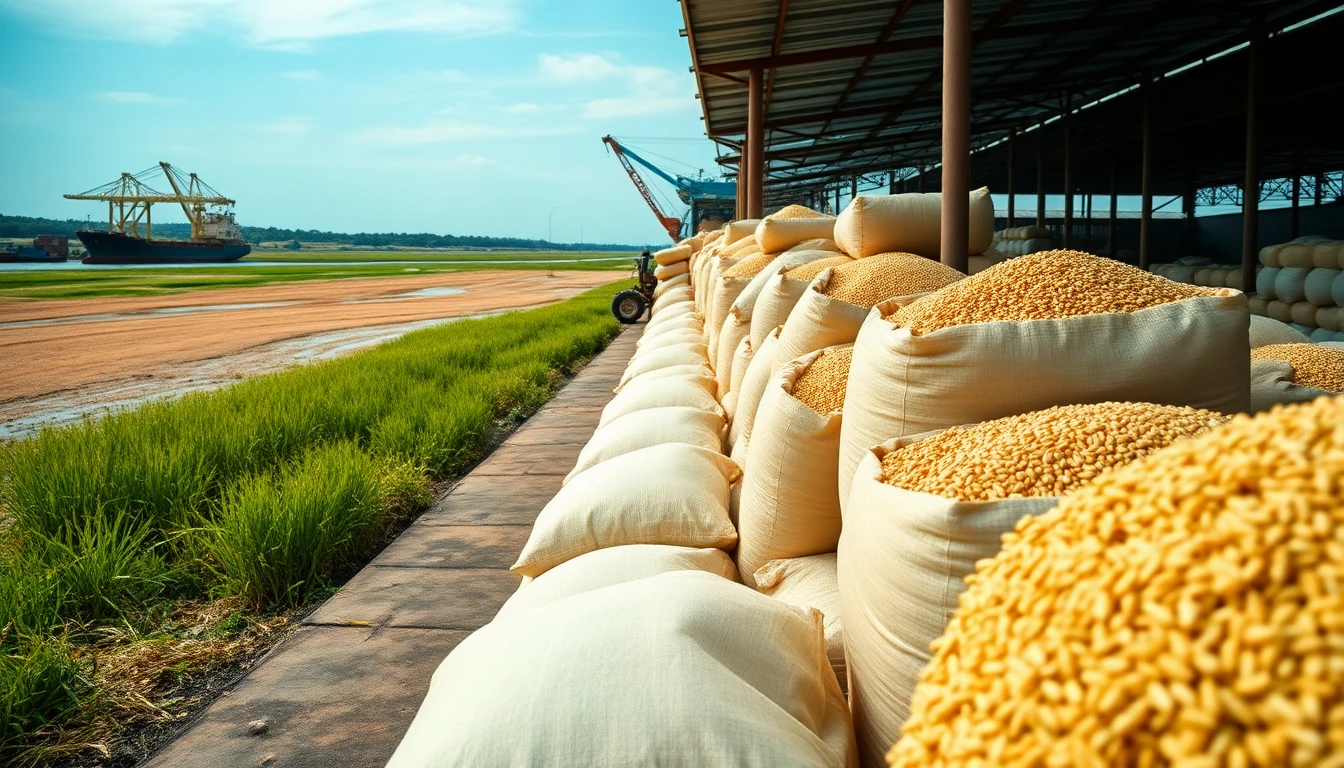
Agriculture grew 11.1% from April to June, driven by production of soybeans, rice, beans, sunflowers and tobacco; the sector expanded 12.3% in the first half. Electricity and water accelerated from 4.7% to 13%, as energy-intensive activities consumed more and output from the binational power plants posted a positive result. Construction rose 4.2%, supported mainly by private-sector projects.
Manufacturing, by contrast, slowed from 6% in the first quarter to 1.8% in the second, though it recorded a 4% gain for the first half. Services, which account for nearly half of the economy, grew 3.4%, down from 7.9% in the previous quarter. Financial and government activities, telecommunications, restaurants, hotels, and services for businesses and households expanded; transportation contracted. Livestock, along with forestry, fishing and mining, fell 4.1% in the quarter and 0.9% in the first half. The rebuilding of herds reduced cattle slaughter, while pig and poultry slaughter and milk and egg production increased.
By expenditure, domestic demand made a negative 2.7-percentage-point contribution to GDP growth, amid a 2.6% contraction in the quarter. Gross capital formation fell 18.2%, while gross fixed capital formation declined 11.8%, as investment in machinery, equipment and vehicles fell—especially in equipment linked to cryptocurrency mining and aircraft. The drop in fixed investment was tempered by increased spending on construction and on agricultural, forestry and industrial machinery. Private consumption grew 3.2% and government consumption 6.2%; together, consumption spending contributed 2.7 percentage points.
The external sector more than offset domestic weakness: net external demand contributed a positive 6.7 percentage points to GDP. In the quarter, exports of goods and services rose 11.5%, while imports fell 5.7%. For the first half, exports increased 8.2% and imports decreased 1.4%.
Economist Manuel Ferreira, a former finance minister, pointed to the slowdown in services as a significant factor and linked trade performance to Paraguay becoming relatively more expensive than Brazil and Argentina and to declining purchasing power. Rodrigo Ibarrola, of the Center for Analysis and Dissemination of the Paraguayan Economy (Cadep), said the economy is heading toward growth close to its potential, estimated at 3.5% to 4%, and that he sees no cause for concern: other sectors offset the declines, and underlying growth exceeds 5% even when volatile activities such as the binational power plants and agriculture are excluded. The BCP projects growth of 4.5% in 2026, implying a moderation in the second half.