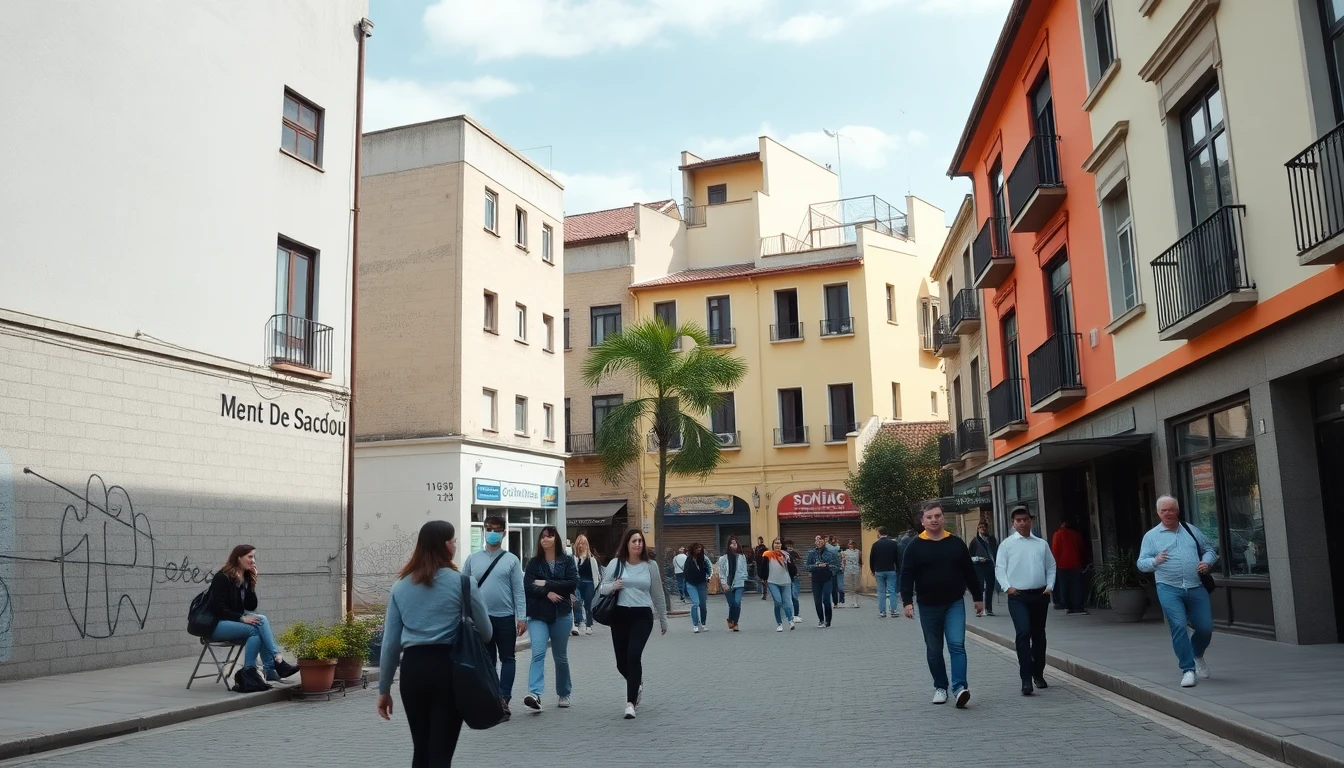
The Central University of Paraguay (UCP) is proposing a university district in the historic centre of Asunción, Paraguay’s capital, combining education, housing and services. The project aims to mobilise about US$200 million in private and academic investment over five years and attract roughly 5,000 international students, mainly from Brazil.
Vice-rector Luis López Lafuente outlined the plans in an interview on Paraguay TV’s Tribuna programme, reported by Agencia IP on September 29. The investment figure is a target for the district as a whole, rather than a commitment by the university to provide the entire sum itself.
The first phase is planned for February 2027, with the relocation of the medical faculty. Plans include two university towers, eight laboratories and clinical simulation facilities. Vacant or underused buildings would be restored for student residences, restaurants, shops, medical services, gyms, and cultural and leisure activities.
López Lafuente cited the institution’s experience in Pedro Juan Caballero and Ciudad del Este as precedents. In Asunción, the initiative is intended to form part of Asunción 500 Años, an urban revitalisation programme involving housing, mobility, security, public spaces and private investment.
An analysis published by El Nacional on October 1 examines the same proposal and reports an additional projection previously circulated by people linked to the project: 5,500–6,000 students within four to five years could generate spending of about US$12 million a month, or US$144 million a year. That estimate excludes property appreciation and indirect effects. These figures reflect the expectations of parties involved in the project, rather than an independent feasibility assessment.
The plan’s reach will depend on students arriving and on the provision of housing, transport, security, connectivity and public services to accommodate them. The announced plan does not detail financing commitments or confirmed enrolment capacity. The figures and timetable therefore describe an announced project whose implementation remains to be demonstrated; they do not establish that the projected investment or economic benefits have already been secured.