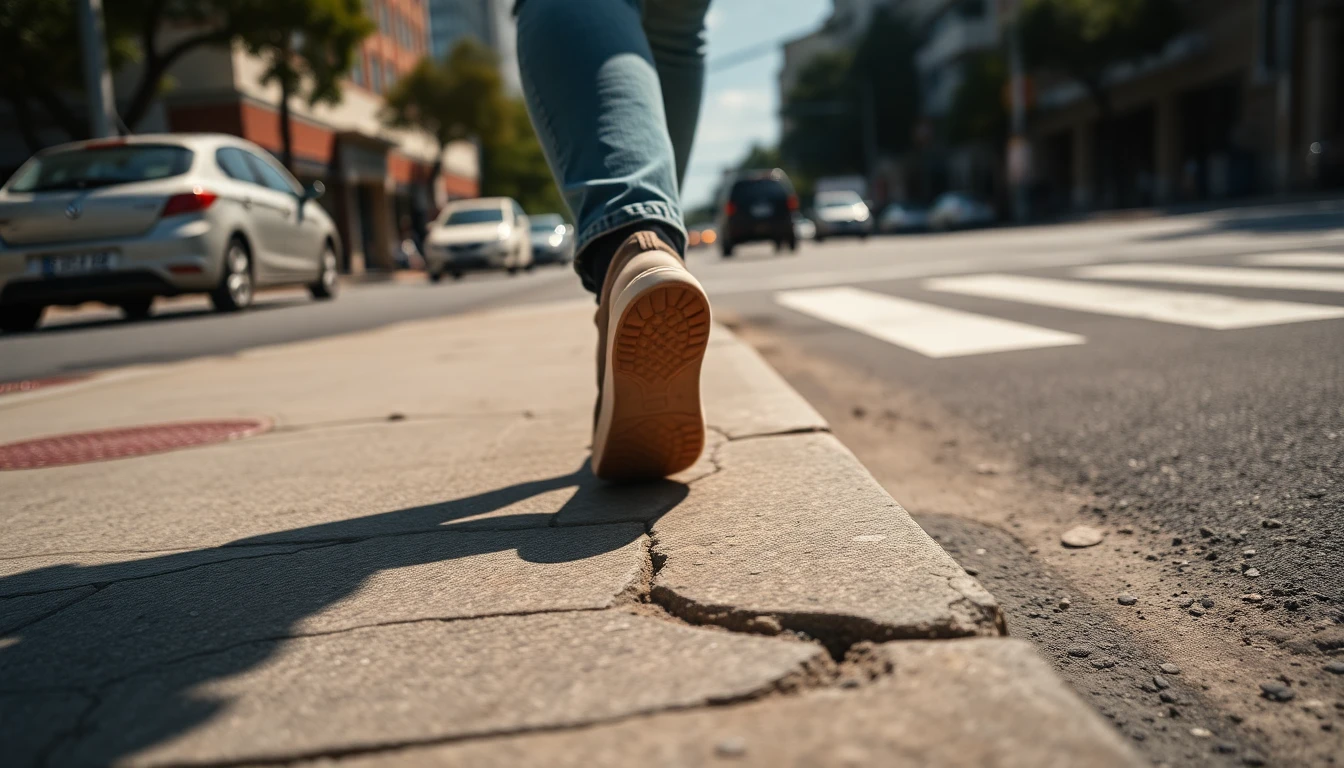
Being a pedestrian in Asunción and the metropolitan area is practically a high-risk sport, according to the analysis of urban planner and architect Federico Franco Troche. In an interview on the occasion of World Pedestrian Day, the expert described the experience as an "indescribable audacity" that requires courage and will to face a series of obstacles.
Troche argues that for truly sustainable urban planning, the pedestrian should be the top priority, followed by alternative means of mobility such as bicycles, then public transportation, and finally private vehicles. However, in Asunción, the reality is the opposite: road infrastructure is centered on the automobile, leaving the pedestrian as the weakest link in the system.
The Paraguayan capital lacks comprehensive mobility management and an efficient public transportation system, which forces many citizens to depend on cars, contributing to road saturation. Another serious problem is the lack of adequate equipment for pedestrian use, such as traffic lights and signage that prioritize and protect those who walk, preventing accidents.
The condition of sidewalks significantly worsens the situation. A previous survey indicated that between 80% and 90% of Asunción's sidewalks are not in adequate condition for pedestrian transit. In many areas of the country, sidewalks simply do not exist, are made of dirt, or have uneven surfaces and obstacles, forcing people to walk in the street and exposing themselves to vehicle traffic.
Rainy days make the scenario even more dangerous. Water accumulates due to lack of storm drainage and road camber, which directs water toward the edges of streets, close to pedestrians. When cars pass, they project this accumulated water, soaking those on foot.
Troche also points to deficient traffic education as one of the central problems. There is widespread disrespect toward pedestrians and cyclists, aggravated by ignorance of traffic rules both by drivers and pedestrians themselves. The urban planner emphasizes that although many laws exist, they are not respected and there is no clear social disapproval of transgressive behavior.
This combination of factors creates an environment that Troche classifies as a "law of the jungle," where lack of respect and impunity prevail. To change this reality, he emphasizes the crucial need for robust traffic education to instill respect for citizens and ensure that rules are known and followed.