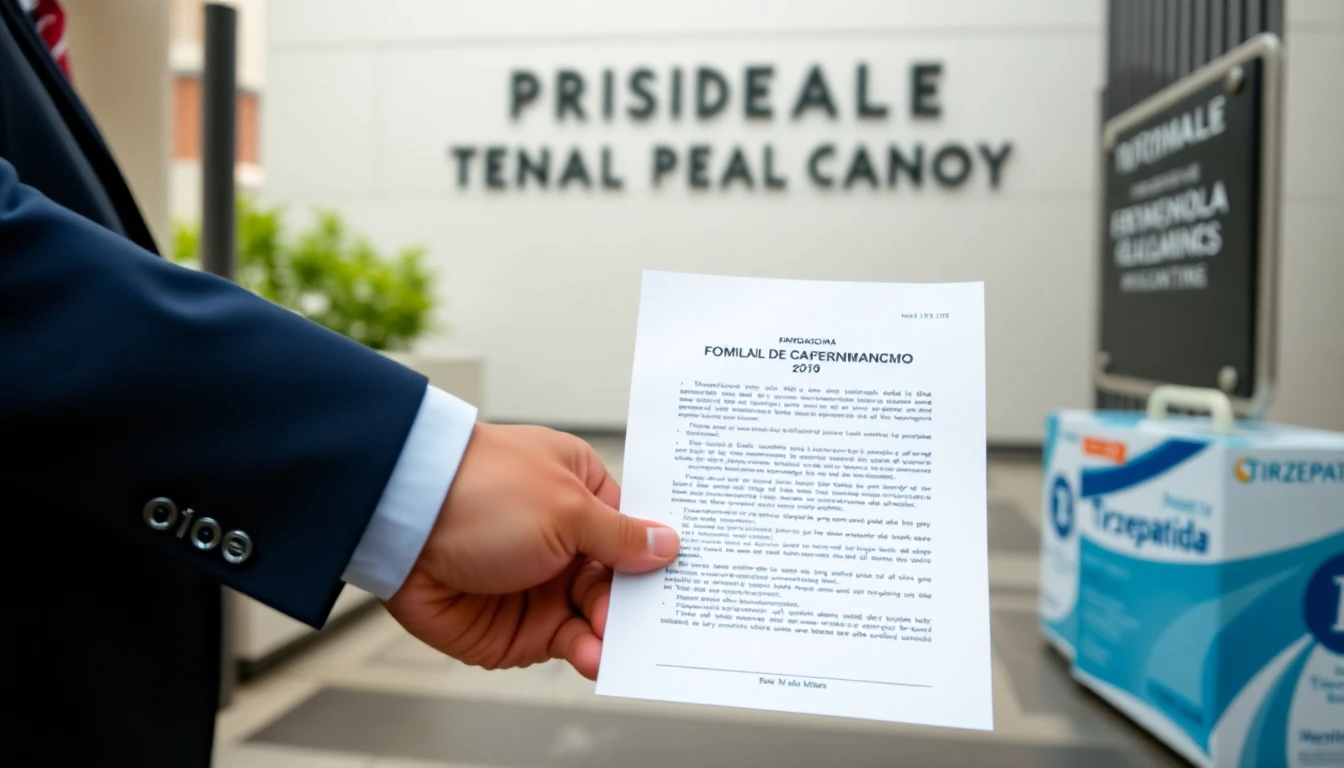
An American investor filed a formal complaint at the United States Embassy in Asunción, alleging to be a victim of judicial maneuvers in Paraguay. The case involves a commercial dispute between the company Bem Estar Clínica Estética SA and Indufar Comercial e Industrial SA over the registration and marketing rights of the drug Tirzepatida 15 mg/2.4 ml.
Lawyer Daniel Alarcón, representing Bem Estar's investors, stated in an interview with broadcaster El Observador Radio TV that legal actions were taken in defense of investor Darío Silva Junior. According to Alarcón, the strategy includes a dual international approach: proceedings before the US diplomatic representation and filings before US courts. The goal is to challenge what the defense classifies as violation of procedural guarantees and due process during the proceedings in Paraguay.
The conflict has as one of its main settings the Juzgado de Primera Instancia en lo Civil y Comercial del Quinto Turno de Ciudad del Este, under the responsibility of judge Gabriela Noemí Ramírez Morínigo. Bem Estar's representation filed a criminal complaint against the magistrate before the Public Prosecutor's Office, accusing her of the alleged crime of prevarication. One of the central points of the challenge is the decree of expiration of precautionary measures that benefited Bem Estar, issued on August 10, 2026, which the defense claims was decided before confirmation of the judge's jurisdiction and without due process.
The defense also questions an official letter from the same day sent to the Dirección Nacional de Vigilancia Sanitaria (DINAVISA), the health regulatory body, which allegedly determined the lifting of an injunction that benefited Bem Estar.
In addition to the criminal complaint, the investor's defense announced that it is preparing new actions before the Jurado de Enjuiciamiento de Magistrados (JEM) and other oversight bodies. Alarcón also invoked the United Nations Convention against Corruption, incorporated into Paraguayan legislation, arguing that local courts must observe both constitutional guarantees and international treaties in force. The controversy, which began as a commercial dispute, now directly involves US institutions, raising the profile and possible repercussions of the case.