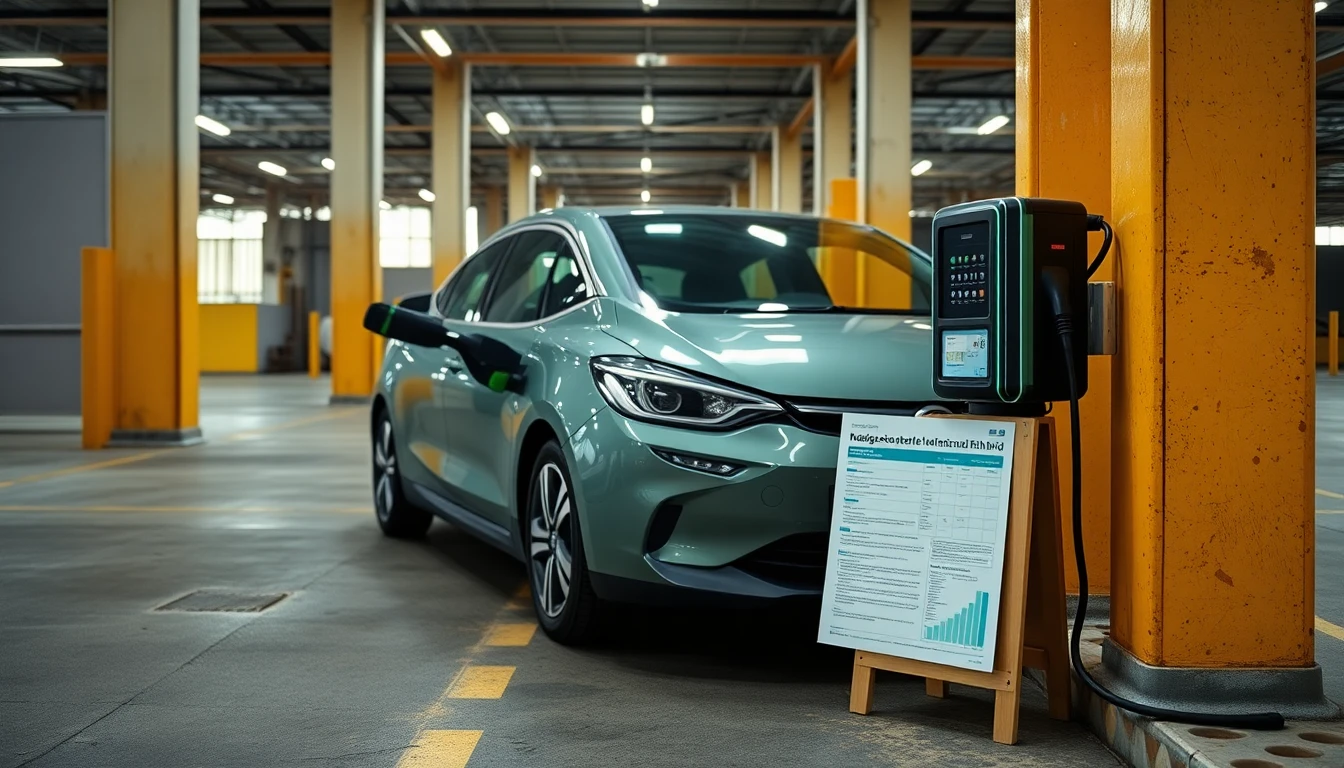
The proposal to gradually reduce tax incentives for electric and hybrid vehicles could bring the Paraguayan state about $20 million, estimates Iván Dumot, president of the Center of Importers of Paraguay (CIP). That figure differs from the projection presented by the tax authority: Paraguay’s National Directorate of Tax Revenues (DNIT), the country’s tax and customs authority, estimates revenue of $15 million in the first year and up to $30 million in 2032.
The plan, which the executive branch intends to submit to Congress, would begin taxing electric vehicles at an effective value-added tax (VAT) rate of 5% and an import tariff of 10%. After a five-year transition, in 2032, the rates would reach 10% VAT and a 20% customs tariff. The change would also affect hybrids: conventional self-charging models would lose their benefits, while incentives for electric and plug-in hybrid vehicles would be cut in half, Dumot said.
Law 6,925/2022 currently grants a full exemption for electric vehicles, with the aim of encouraging electric transport and making use of the energy available in Paraguay. The DNIT supports revising the policy, arguing that the tax difference compared with combustion-engine cars has become difficult to justify, including in light of the exemption for high-end electric models.
Dumot challenged the timing of the proposal and said it could harm a technology that remains uncommon in the country. “We’re shooting ourselves in the foot on electromobility in Paraguay before it has even been born and become relevant,” he said. In his view, improvements to certain public tenders could generate savings equivalent to the revenue expected from the tax change.
The CIP president also criticized the draft 2027 General Budget, which, in his assessment, does not point toward greater efficiency in public spending. He said the private sector does not consider it reasonable to raise taxes or cut incentives without a serious plan to reform government spending and procurement.
As examples of policies that, he said, point in the opposite direction from the tax proposal, Dumot cited the mandatory blend of 30% alcohol in gasoline and 8% biodiesel in diesel, initiatives associated with the Ministry of Industry and Commerce (MIC). He also mentioned plans by the Ministry of Public Works and Communications (MOPC) to bring electric buses into public transport. He called on the Ministry of Economy and Finance (MEF) to coordinate tax and energy decisions.
DNIT Customs Manager Juan Olmedo argues that the market has changed since 2022 and consumers can now choose between electric and combustion-engine vehicles. The proposal still has to go through Congress; the rates and estimates announced do not represent a change already in force.