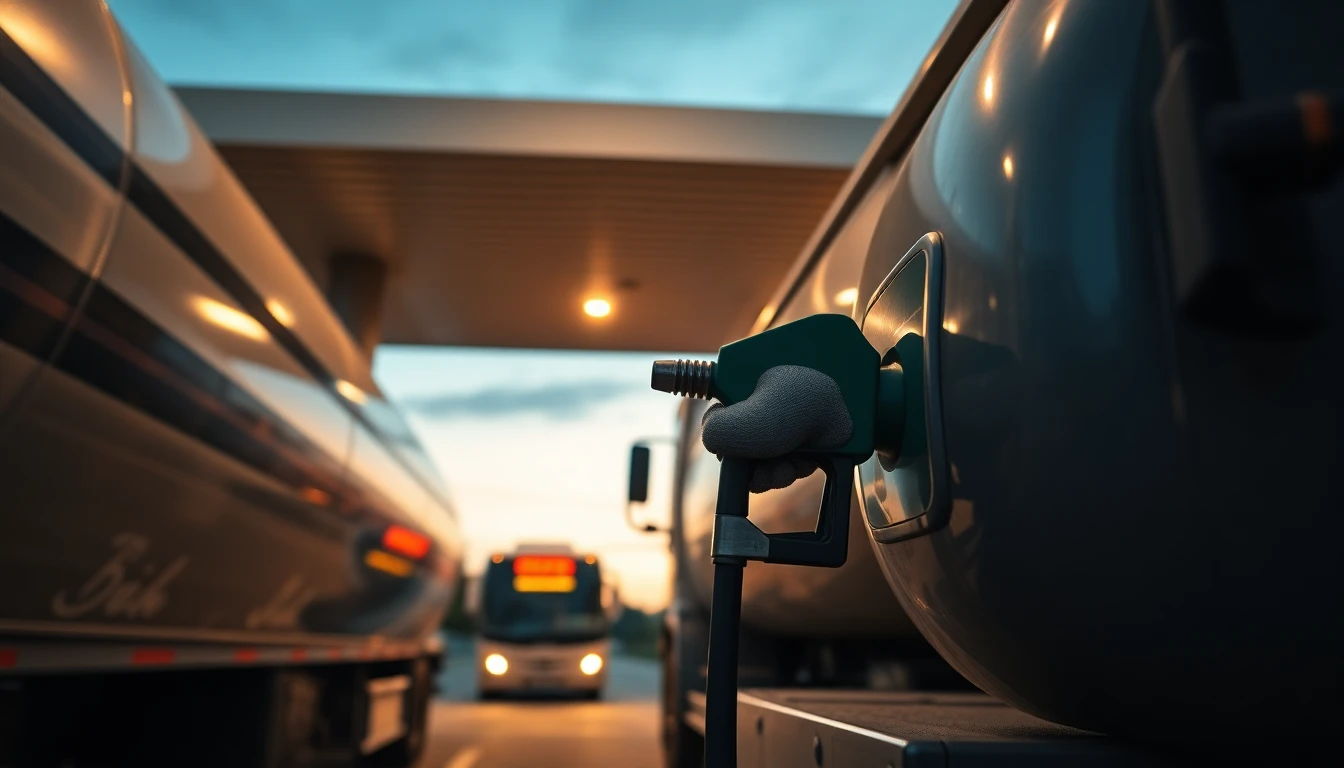
Diesel prices have surged in Paraguay, with increases reaching 39% this year, pressuring the entire production chain and threatening to raise prices for end consumers. While cumulative general inflation stands at 1.8%, according to the Central Bank of Paraguay (BCP), common diesel rose to G. 2,440 per liter at private stations, and the premium version increased by G. 2,550. State-owned Petropar applied increases of G. 2,040 for common diesel (32.6%) and G. 2,250 for premium diesel (28%).
The impact is immediate on freight transport, where fuel represents more than half of operational costs. Rural producers, distributors, and merchants already feel the burden of more expensive freight rates, and this pressure tends to be passed on to shelf prices. The agricultural sector, which depends on diesel at all stages—from planting to harvesting and transport—is one of the most affected, with small producers being the most vulnerable, while large producers face competitiveness pressure.
Public passenger transportation in the Asunción Metropolitan Area is also under pressure. The technical fare, which defines the real cost of the service, increases with the diesel price hike, requiring more state subsidies to maintain the current fare affordable for users.
Analysts point to the international rise in oil and heating oil—which references diesel prices—as the main cause, with heating oil rising from about US$2.5 to US$4.4 per gallon due to the Hormuz Strait crisis. Stan Canova, an economist cited by ABC Color, highlighted that heating oil prices have risen significantly, directly impacting a fuel-importing country like Paraguay, with local adjustments influenced by futures contracts. He warned that without a reduction in international prices, local inflationary pressure should continue.