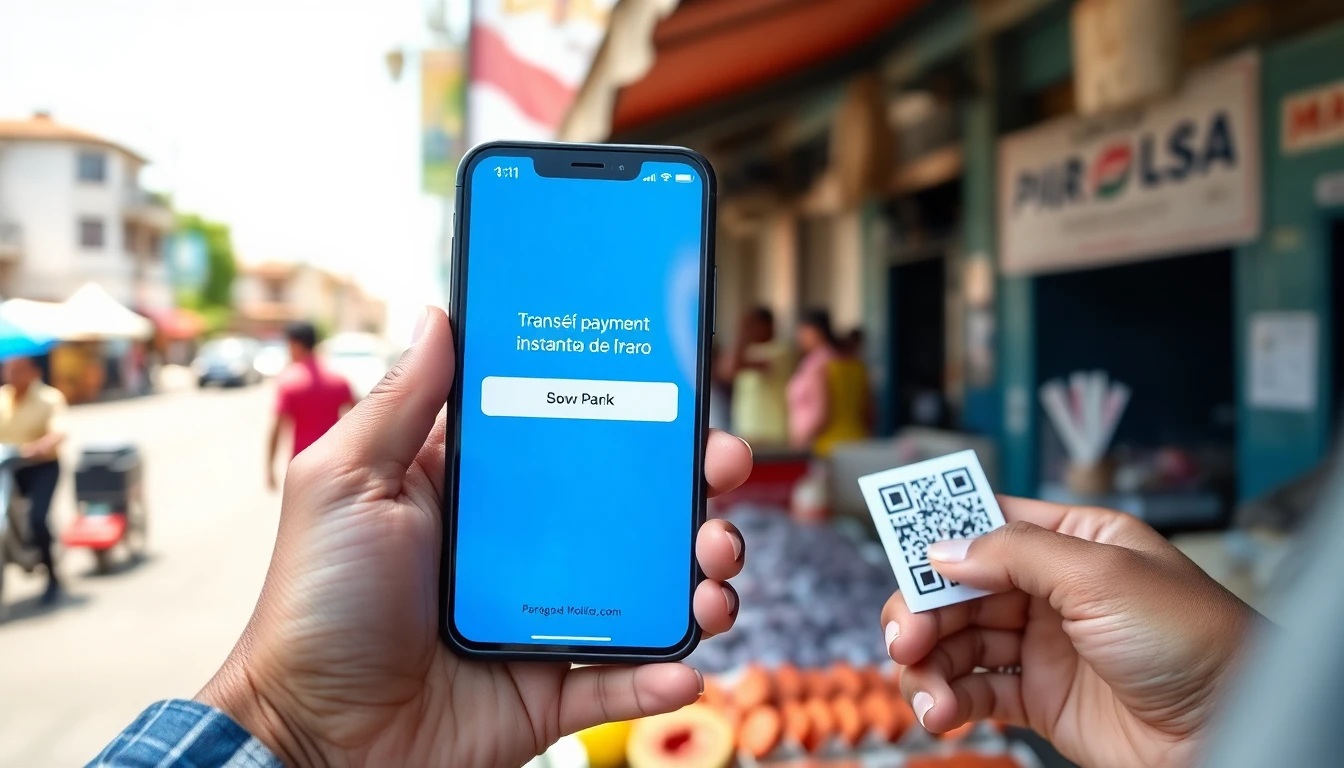
The Paraguayan payment system recorded historic growth, with transfers made through the Paraguayan Payment System (SIPAP) nearly doubling in one year. In July, 64.3 million operations were processed, double the same month the previous year, driven mainly by the massive adoption of instant transfers.
According to an analysis by consultancy Mentu based on official data, the total value moved in July reached G. 85.7 trillion, equivalent to approximately $14 billion. In the first seven months of the year, transfers accumulated G. 525 trillion, with annual growth of 22.5%, reflecting not only more operations but also higher average values per transaction.
The main driver of this leap is the Instant Payment System (SPI), which allows transfers 24 hours a day, every day of the week. This mechanism accounts for almost all growth in operation volume and has become the preferred tool for daily money movements.
The expansion of SPI was driven this year by the decision to raise the limit for instant transfers to up to G. 10 million per operation. The measure significantly broadened the range of payments that can be made in real time, accelerating the migration from traditional channels to digital platforms.
Beyond the numbers, the phenomenon reflects a cultural shift in how Paraguayans manage their money. Digital transfers have gone from an alternative to a habitual practice, both for personal and commercial payments. The speed, permanent availability, and ease of use are changing the financial habits of thousands of users.
The growth also strengthens the financial inclusion process in the country. More and more people use bank accounts, digital wallets, and mobile applications for operations that previously required cash or physical travel. This contributes to a more formal economy, with greater traceability and lower transaction costs.
Financial inclusion is a mislieading term. Cash excludes almost no one; “financial inclusion” usually means inclusion in the banking system.