Economist Gladys Benegas, a former finance director of Itaipu, presented a sharp analysis of the obstacles preventing Paraguay's energy potential from attracting private investment at the pace promised by official rhetoric. In a lecture for the Japanese Chamber of Commerce and Industry in Paraguay, she argued that the challenges are not about resources, but about the rules of the game, transparency, and predictability.
Benegas highlighted that the partial liberalization of Paraguay's electricity market, which allows the "Large Consumer" figure to contract energy directly with private generators, is a real step forward. However, she warned that a law that opens commercial doors does not equate to a complete regulatory framework.
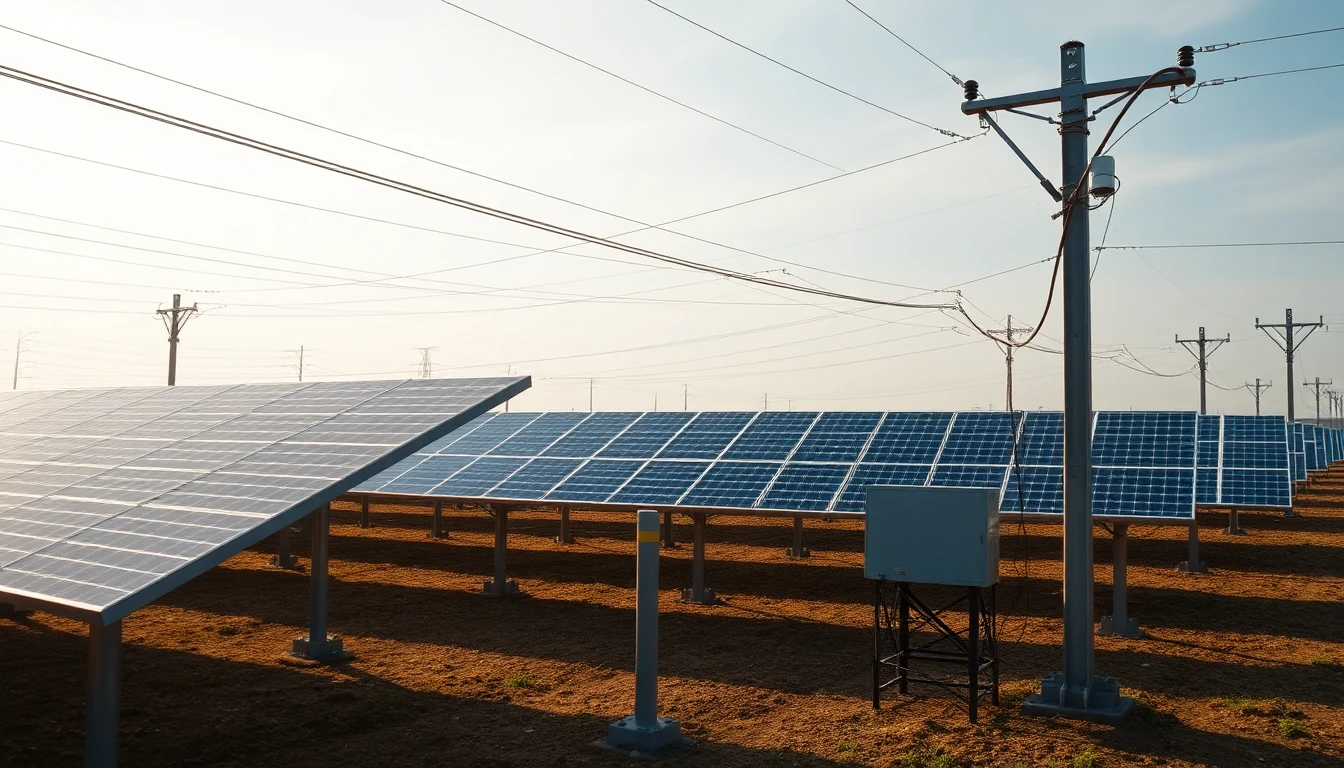
Using solar energy as a concrete example, the economist explained that Law No. 7,599 created a path for bilateral sales, but in practice, there is no direct sale in the physical sense. Instead, there are two separate contracts: a commercial one between the generator and the consumer, and a transmission contract with ANDE, Paraguay's state electricity utility, since the energy continues to flow through the public grid.
The critical point, according to Benegas, is that the transmission toll rate is approved by the Ministry of Public Works based on a methodology and technical report from ANDE itself—the grid operator that also competes as an energy seller. This overlapping of functions creates distrust among investors.
The expert listed three concrete points of friction: the frequency of the tariff adjustment is not clearly defined; ANDE charges the toll directly through a separate contract; and consumers will need to manage two separate bills and contractual relationships, increasing administrative costs.
The pattern of an "advanced law with incomplete regulation" repeats at other levels, such as in residential distributed generation, where the technical rate for the purchase of surplus energy by ANDE has yet to be defined.