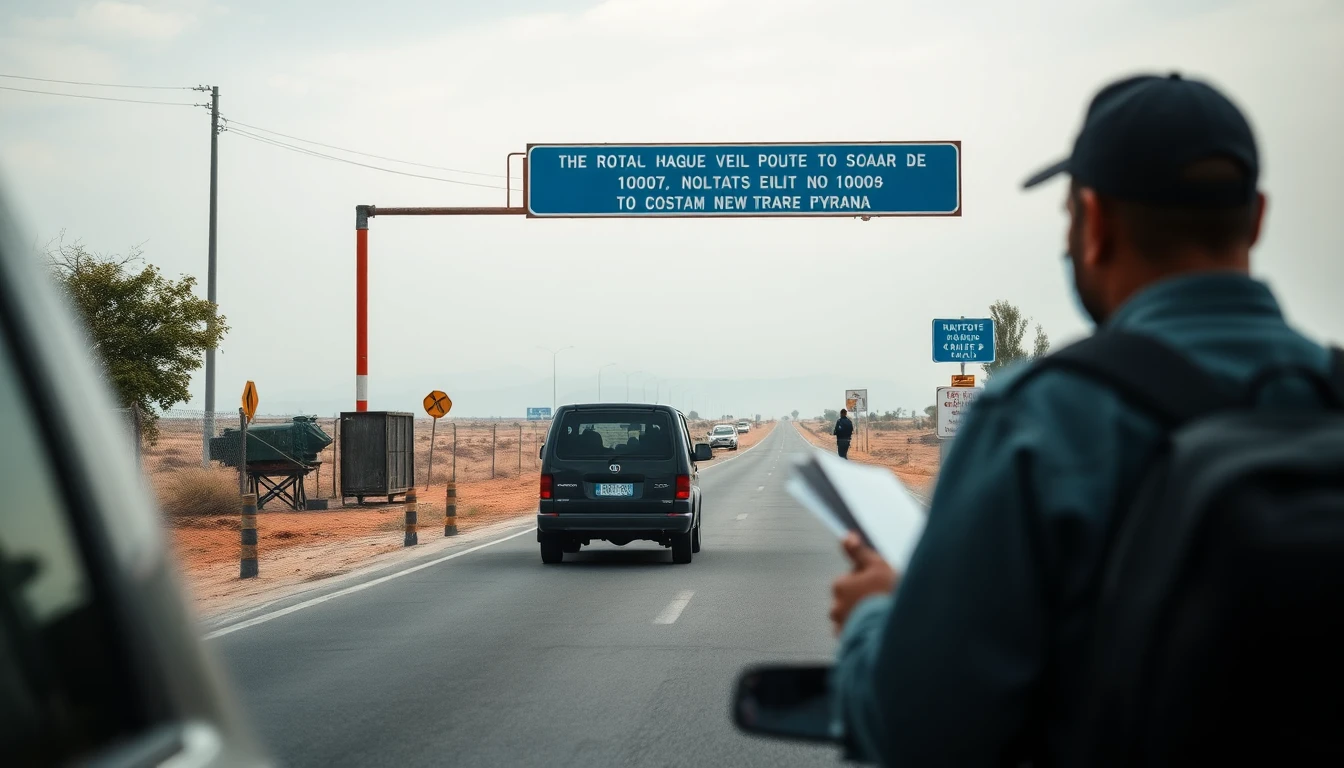
The National Directorate of Migration recorded 3,080 migration security procedures between January and August 2026 at Paraguay’s border crossings and airports. The tally includes travel bans, refusals of entry for foreign nationals, expulsions, transfers to security forces and extradition proceedings.
Travel bans totaled 1,642 cases. A lack of travel documents was cited in 1,271 cases, while 217 involved minors without authorization to travel. There were also 132 bans imposed by court decision, 18 related to arrest warrants, three based on requests from the International Criminal Police Organization (Interpol) and one detention linked to the National Anti-Drug Secretariat (Senad), Paraguay’s agency for combating drug trafficking.
Refusals of entry for foreign nationals reached 1,141. Venezuelans topped the list, with 379 cases, followed by Brazilians (251), Argentines (192), Colombians (78) and Chinese nationals (59). The total includes travelers from more than 40 nationalities, including Cuba, Lebanon, Bolivia, Peru, the Dominican Republic, Turkey, Ecuador, Guatemala, Bangladesh, Haiti, Panama, Laos, Serbia, Syria and Tunisia.
During the same period, there were 177 expulsions: 110 through administrative proceedings and 67 by court decision. Brazilians accounted for 135 of these cases. The migration authority also recorded 88 transfers of people to security forces, including 62 Paraguayans, as well as 32 extradition proceedings.
Among the extradition proceedings involving Paraguayans, 16 were destined for Argentina, while five originated in Brazil and two in Argentina. The remaining cases involved Argentines, Brazilians, one Spaniard, one Peruvian and one Bolivian, who were sent to their countries of origin or to other states.
In August, a United States citizen was denied entry at the Infante Rivarola post on the border with Bolivia after a secondary check found a criminal record in his country. At the Puerto Falcón post on the border with Argentina, a Bulgarian citizen was expelled after trying to apply for residency with false documents. The check also identified a detention order in Argentina and an Interpol red notice requested by Belgium.
The categories have different purposes: some measures result from document requirements, such as authorization for minors to travel, while others involve court decisions, police cooperation or entry controls. The published total therefore represents administrative and operational procedures, not a single count of people considered criminals or expelled.