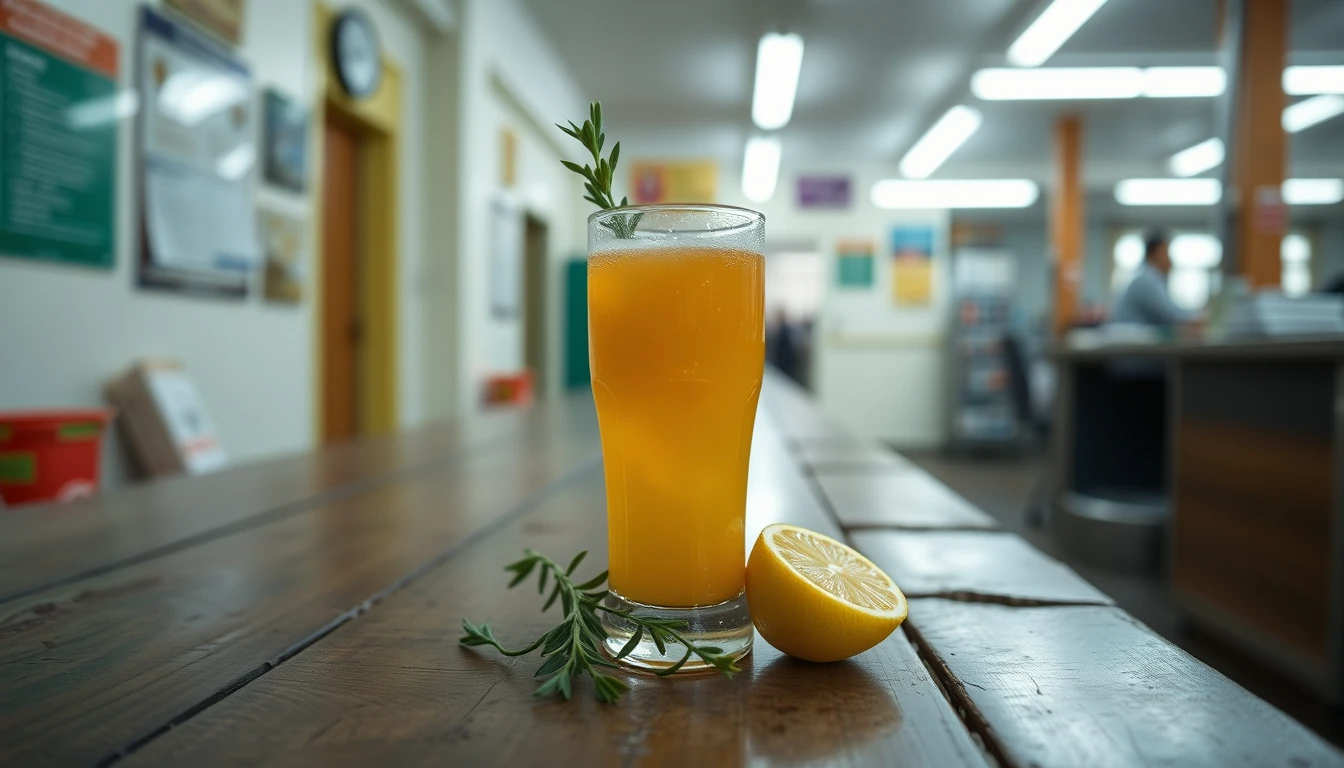
On August 1, Paraguay revives one of its deepest traditions: the consumption of carrulim, a drink prepared with caña, rue, and lemon that, according to popular belief, serves to ward off bad luck, keep away illness, and purify the blood. The tradition, which includes taking seven sips of the drink on an empty stomach, is linked to the cultural perception of August as a critical month, marked by cold, wind, scarcity, and an increase in respiratory ailments.
The name carrulim is an acronym of its main ingredients: ca (from caña), ru (from ruda, or rue), and lim (from limón, or lemon). Its origin dates back to Guarani ancestors, who used the properties of rue and citrus combined with liquors to face the harshness of winter. The practice was declared Intangible Cultural Heritage of Paraguay by the National Secretariat of Culture (SNC) in July 2019.
Mercado 4, in Asunción, is one of the epicenters of the tradition. This Friday, the location hosted an artistic festival at the Paseo de los Yuyos, with a large presence of visitors who went to taste the drink and keep the custom alive. Traditionally, the preparation was an artisanal task of the "yuyeras," who zealously guarded the secret of their proportions, sometimes adding other herbs. Today, however, the drink is also industrialized and sold ready-made in supermarkets, reflecting a commercial evolution that has adapted the ritual to urban rhythms.
The tradition transcends Paraguay's borders, being strongly rooted in provinces of northeastern Argentina, such as Corrientes and Misiones, and in areas of Greater Buenos Aires with a strong presence of the Paraguayan community, where it intertwines with the celebration of Pachamama Day.
However, doctors warn of the risks of consumption without moderation. Dr. Carlos Centurión, head of the Medical Clinic at the IPS Ingavi Hospital of Surgical Specialties, explains that, while the tradition is a valuable cultural heritage, there is no scientific evidence to support the need to "purify" or renew the blood in August. He stresses that rue is not a harmless plant: excessive consumption can cause digestive irritation, toxicity, and liver and kidney damage. Pregnant women should avoid the drink entirely, as rue stimulates uterine contractions and increases the risk of miscarriage.
The specialist concludes that the tradition should be lived responsibly, remembering that measures such as a balanced diet, physical activity and adequate rest are the proven ways to take care of health throughout the year.