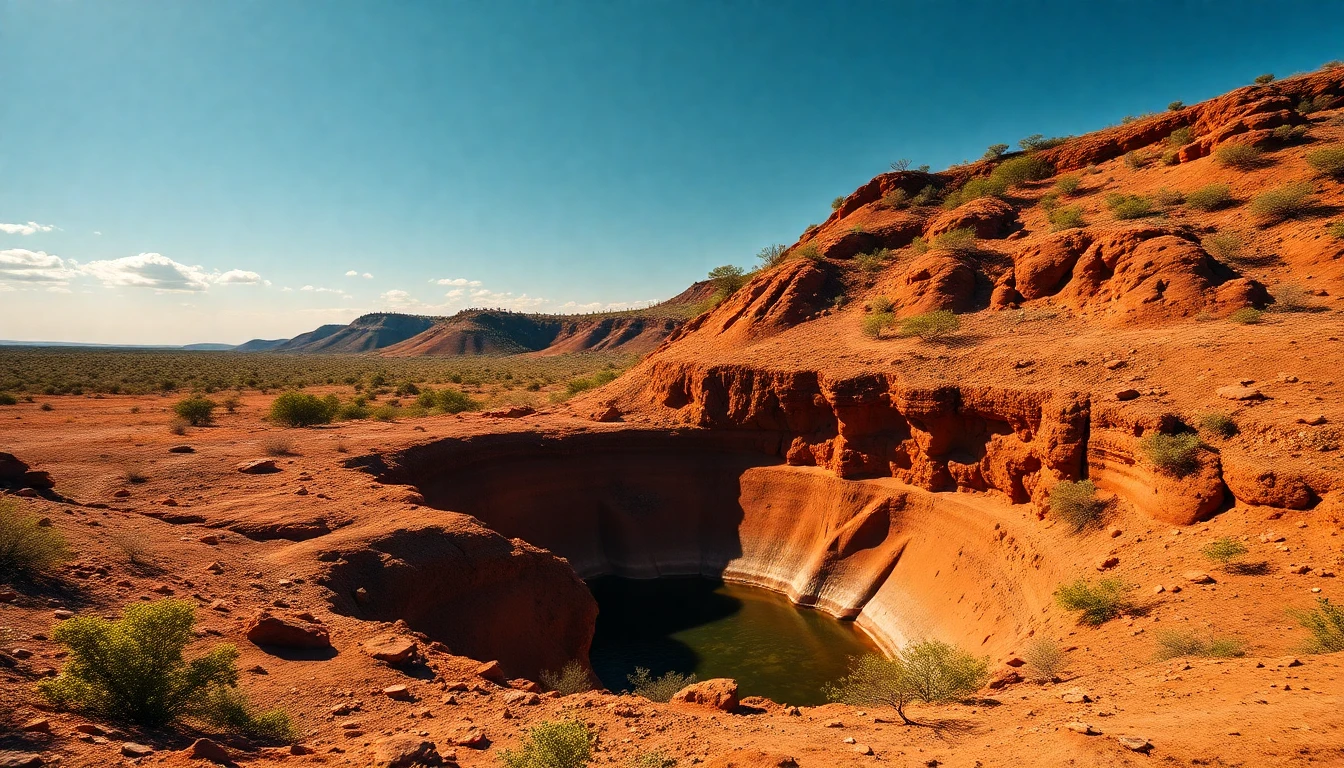
Environmental organizations and citizens protested in Asunción against a bill that would change the legal protections for Médanos del Chaco National Park to allow the prospecting, exploration and extraction of hydrocarbons and other minerals. Demonstrators said the measure threatens the Yrenda aquifer, a source of fresh water that also extends into Bolivia.
The proposal, introduced by lawmaker José Rodríguez of the Honor Colorado movement led by former President Horacio Cartes, would amend Articles 4 and 6 of Law No. 5,723/2016. The text is described as a reproduction of a bill introduced in 2022 by then-lawmaker Edwin Reimer, which was rejected the following year.
During the protest outside the National Congress, David Cardozo of the environmental organization Sobrevivencia Amigos de la Tierra - Paraguay said the park is home to a wide diversity of fauna and flora and forms part of the Yrenda aquifer basin. The area is particularly important to the Ñandeva and Ayoreo Guarani peoples, as well as a group of Ayoreo people living in voluntary isolation.
“If we carry out prospecting and excavation, there is a very high risk of contaminating the Yrenda aquifer,” Cardozo said. In the environmentalist’s assessment, the impacts would not be confined to the park because the ecosystems cross borders and the protected area borders preserved territories in Bolivia.
The debate follows the Chamber of Deputies’ rejection, the previous week, of a declaration recognizing the conservation of the park as a matter of national interest, introduced by lawmaker Mauricio Espínola. The text was symbolic and nonbinding, but advocated the environmental, water, historical, cultural and territorial preservation of the protected area.
The Ministry of the Environment and Sustainable Development (Mades), the agency responsible for Paraguay’s environmental policy, sent a technical opinion to the Chamber’s Environment and Legislation committees recommending that the bill be rejected.
Cardozo also recalled that natural gas had previously been extracted in part of the park, before it was classified as a protected wilderness area, by a company linked to Primo Cano Martínez. According to the account, the activity was halted after the Supreme Court of Justice rejected a constitutional challenge in 2019, maintaining the ban in that location.
Coalición Por Los Bosques, which brings together about 80 organizations, says opening the park to extractive activities could simultaneously affect water, Indigenous communities and biodiversity in a cross-border region.