Paraguay’s Senate voted 28 to reject President Santiago Peña’s full veto of Law No. 7,680, which provides for the expropriation of part of a property in Nanawa for the Paraguayan Sanitation Services Company (Essap), the state-owned company responsible for water supply and sewerage. The bill now goes to the Chamber of Deputies, the next stage of the constitutional process, according to the report.
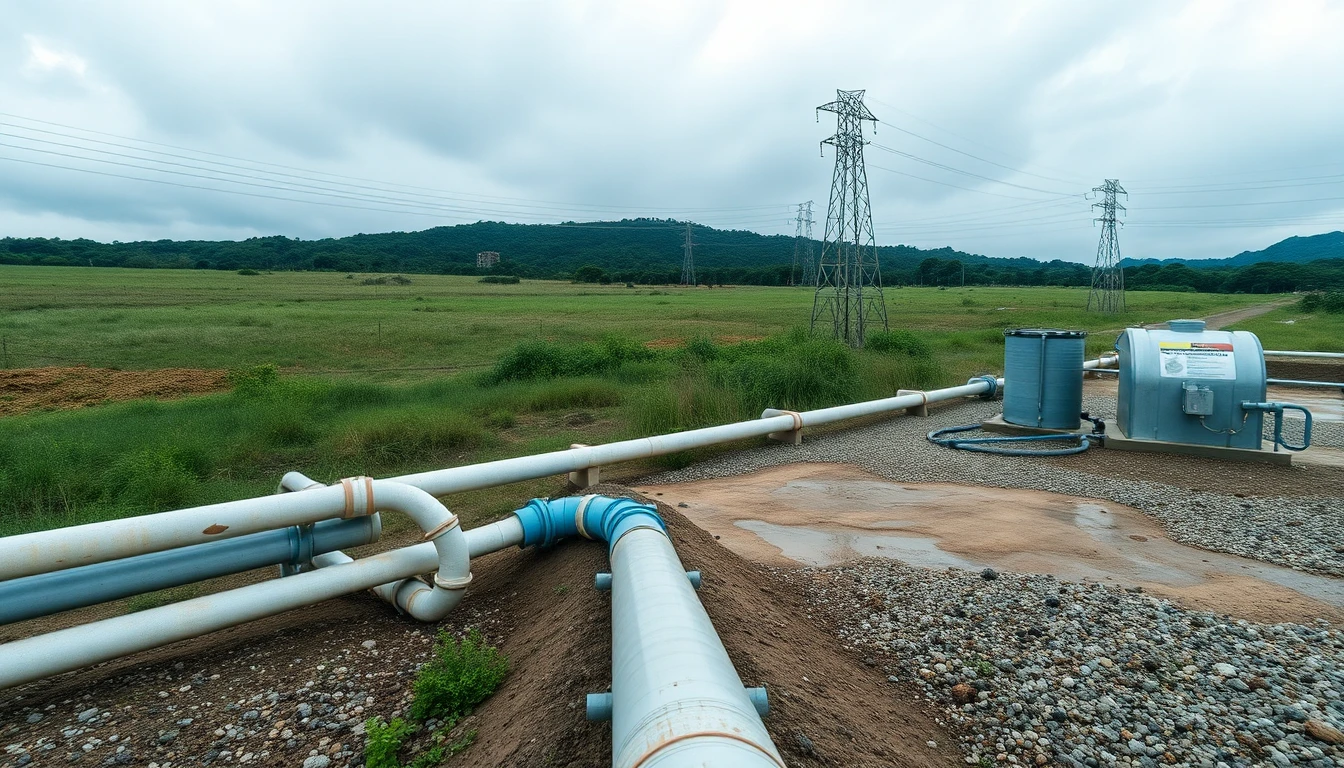
The area, in Presidente Hayes Department, is occupied by an Essap water intake and treatment facility. The property is registered as finca No. 11,629 in the district of Villa Hayes, the former name of Nanawa.
During the session, Senator Oscar Salomón said that, according to his account, the municipal government had mistakenly granted a municipal plot for the project that included 343 square meters of privately owned land. He said Essap had already reached an agreement to buy the area, but expropriation was necessary to regularize the situation.
José “Pakova” Ledesma, chair of the Senate Municipal Affairs Committee, said that, according to his account, the owner’s family had proved in court that the land had been encroached upon. Opposition Senator Rafael Filizzola also supported the measure, arguing that it meets the community’s needs and respects private property.
The Executive vetoed the proposal in full, saying the documents submitted did not substantiate the alleged circumstances used to justify the public interest and expropriation. Essap had also issued an opinion against the bill, according to the report of the session.
The initiative was introduced on September 24, 2025, by Yolanda Paredes, José “Pakova” Ledesma and Rafael Filizzola. The bill was automatically enacted on June 16, 2026, according to the report. After the Senate rejected the veto on September 29, the Chamber of Deputies is to review the decision, according to the report’s account of the procedure.