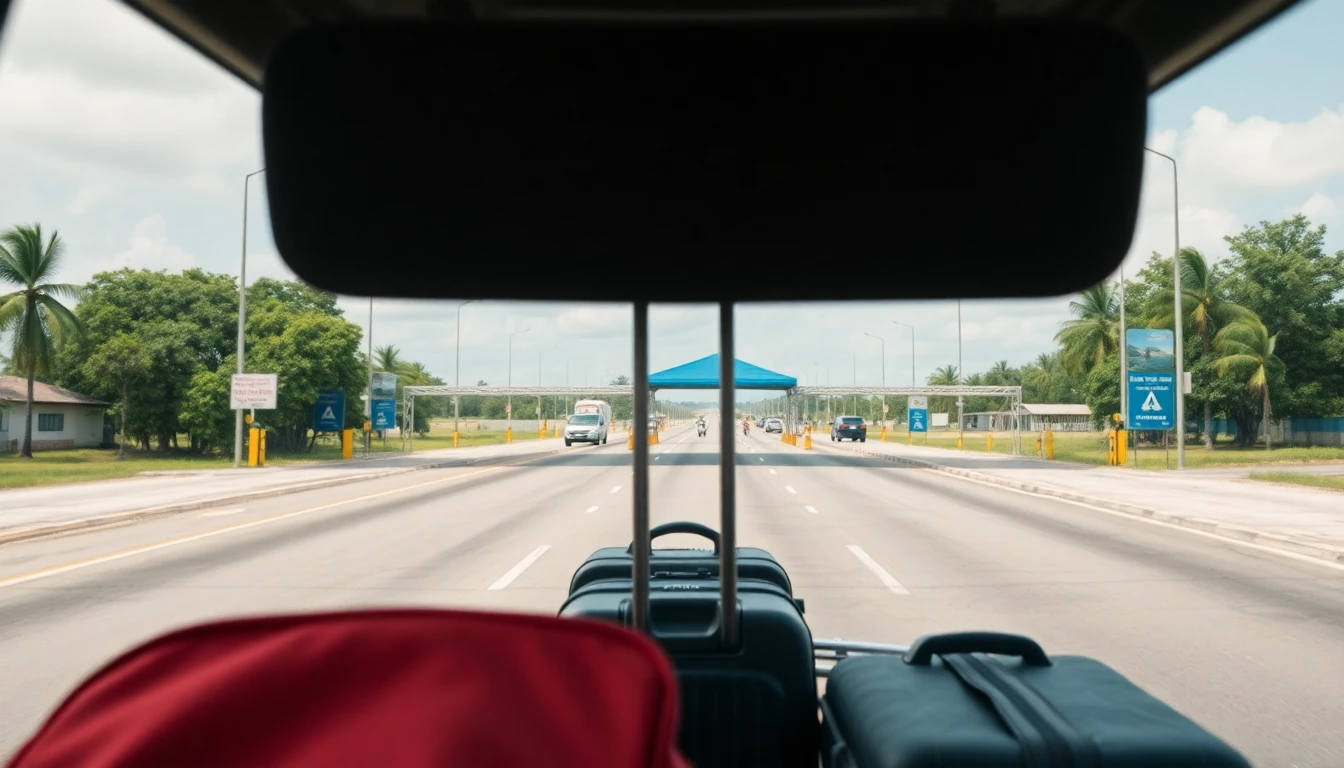
A traveler arriving in Paraguay by air can currently bring in other goods worth up to USD 1,000 without customs duties. The allowance falls to USD 300 when entering across a land border. Purchases made at a duty-free shop on arrival may receive an additional allowance of up to USD 500.
Those figures answer only the first customs question. Goods below the allowance can still be challenged when their quantity, nature or assortment suggests that they are intended for resale.
The current allowances
In its traveler notice of 4 February 2026, Paraguay’s tax and customs authority, DNIT, states the following allowances for other goods carried as baggage:
| Method of arrival | Allowance |
|---|---|
| Air or river | Up to USD 1,000 |
| Land border | Up to USD 300 |
| Duty-free purchases on arrival | An additional USD 500 |
The USD 1,000 allowance for arrivals by air or river is particularly relevant because some older government information still mentions USD 500. Travelers should use the newer DNIT notice of 4 February 2026 and check it again shortly before traveling.
What counts separately as a personal travel item?
DNIT lists clothing, books, personal jewelry, cameras, mobile phones, personal computers, baby strollers, wheelchairs and individually used sports equipment among exempt personal effects.
This does not mean that an unlimited number of the same product becomes personal baggage. One used phone and a personal laptop are readily recognizable as travel equipment. Several boxed phones can lead to a different assessment.
Why the allowance does not guarantee clearance
To qualify as baggage, goods must be intended for the traveler’s personal use or consumption or as gifts. Their quantity, nature and variety must not suggest a commercial or industrial purpose.
Customs therefore applies two separate tests:
- Is the total value within the applicable allowance?
- Do the goods genuinely resemble travel baggage rather than commercial stock?
A traveler can pass the first test and fail the second. Ten identical electronic products may appear commercial despite a low stated value. Conversely, one expensive item is not automatically commercial, although it may exceed the value allowance.
There is no dependable general rule under which a particular number of devices is always considered personal. Customs may consider packaging, product type, quantity, the overall assortment and the circumstances of the journey.
Three examples
A USD 900 laptop arriving by air
The value is within the published USD 1,000 allowance. If it is clearly a personal computer, DNIT also lists it among personal travel effects. The traveler should still retain the invoice and proof of payment.
Six boxed mobile phones in a car
The land-border allowance is USD 300. Regardless of the stated value, the number of identical, resale-ready devices may support a finding that the goods are commercial.
A purchase at an arrival duty-free shop
DNIT describes an additional USD 500 allowance for goods purchased at a duty-free shop on arrival. The goods remain subject to baggage controls and may still be reviewed if they appear commercial or are subject to import restrictions.
When to use the red channel
Under DNIT’s current instructions, travelers should use the red channel when they carry:
- goods exceeding the applicable allowance;
- goods that may have a commercial purpose;
- restricted products requiring authorization;
- cash or other monetary instruments subject to declaration.
If customs retains goods, DNIT says the traveler should receive a retention document. The authority provides up to 90 days to regularize their entry. This may require a customs broker, import duties and permits from other agencies. The period does not guarantee that every retained product will ultimately be admitted.
What about cash?
Under DNIT’s notice of 4 February 2026, cash, foreign currencies and covered monetary instruments with a combined value of USD 10,000 or more must be declared through the electronic traveler declaration, eDAV. The system produces a QR code for presentation to customs.
A SEPRELAD publication from 2024 used the narrower wording of amounts greater than USD 10,000. A traveler carrying exactly USD 10,000 should follow DNIT’s newer operational instruction and declare it.
The declaration is not a tax and does not generally prohibit travelers from carrying larger amounts. Travelers should nevertheless be able to document the money’s origin, ownership and intended use.
Before entering Paraguay
- Identify the allowance for the method of arrival.
- Record duty-free purchases separately.
- Keep invoices and proof of payment.
- Consider whether the quantity and assortment could appear commercial.
- Check permits separately for food, plants, animals, medicines, weapons and other restricted products.
- Add together money held in different currencies and use eDAV from USD 10,000.
Last verified: 16 September 2026. The allowances and procedures are based on DNIT’s notice of 4 February 2026. Travelers should check the official information again shortly before crossing because customs rules can change.