Paraguay's Consumer Price Index (CPI) recorded a deflation of 0.1% in July, marking the second consecutive month of negative variation, following the 0.3% drop observed in June. The data was released by the Central Bank of Paraguay (BCP). With this result, the accumulated inflation for the year reached 1.8%, below the 3.3% from the same period in 2025, while the annual inflation rate fell to 1.6%, the lowest level in several years.
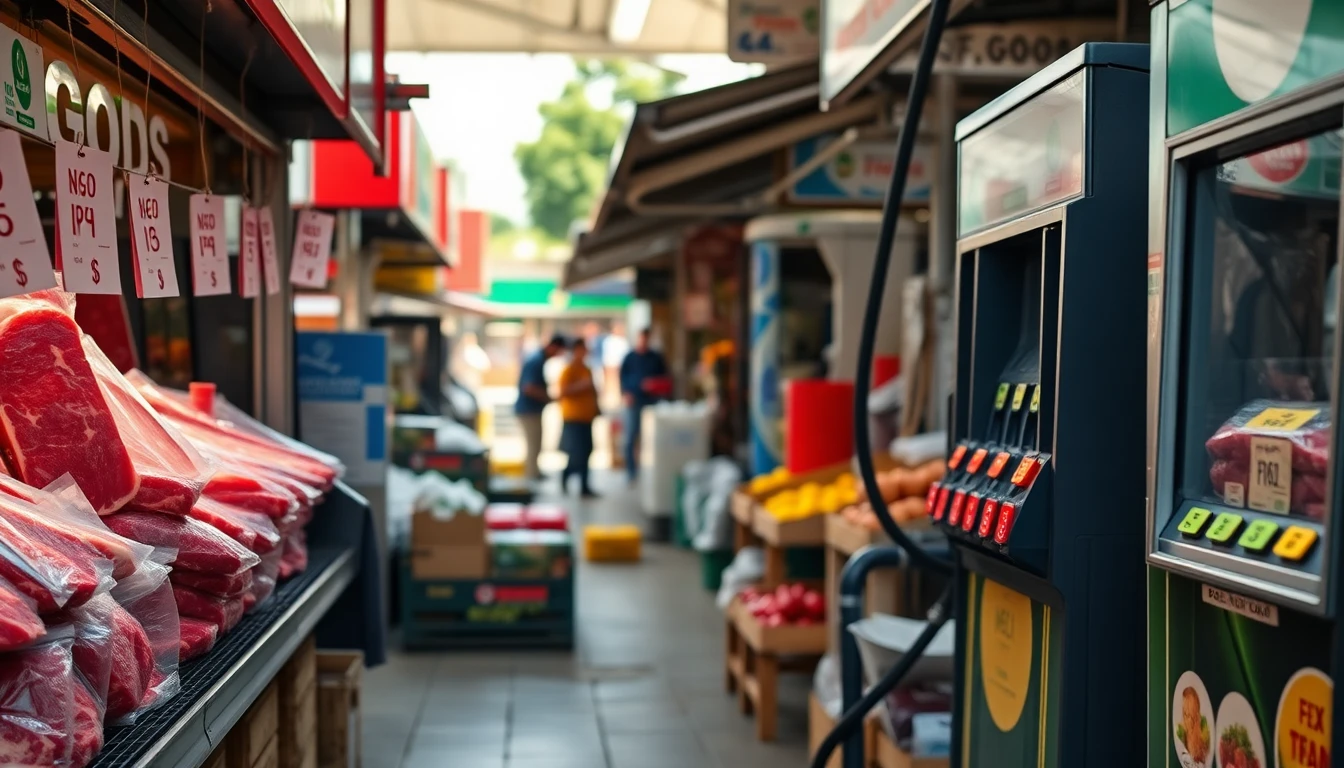
The index's performance in July was driven mainly by price drops in food and fuel. In the meat sector, reductions in beef (-0.9%) and pork (-1.3%) stood out, with cuts like prime rib and flank steak showing the largest decreases, driven by increased supply due to higher slaughter rates. Prices for fresh vegetables and tubers (-2.0%), eggs (-3.6%), liquid milk, pasta, and rice also fell.
Fuels recorded an average drop of 2.5%, with reductions in regular diesel, premium diesel, and gasoline types. According to the BCP, this movement reflected the fall in international oil prices between the end of June and the first half of July, although the institution warned of persistent volatility due to geopolitical tensions in the Middle East. Gustavo Cohener, Manager of Economic Statistics at the BCP, explained that the drop in fuels had an impact of -0.2 percentage points on the month's overall result.
Another significant deflationary factor was the appreciation of the guaraní against the dollar, which made imported durable goods cheaper, such as automobiles, household appliances, and electronic products. The dollar closed the period quoted at G 6,000, accumulating a depreciation of about 20% against the local currency for the year.
On the other hand, services rose by 0.4%, mitigating the overall index decline. Increases were recorded for meals consumed away from home (1.9%), domestic services, hairdressing, tourism packages, and laboratory analyses. Core inflation, which excludes volatile items like fresh food and fuels, remained stable at 0.0% for the month and at 1.5% in the annual comparison, indicating an underlying trend of price stability.