The Zero Hunger school feeding program in Paraguay completed two years of implementation on Monday, a date that coincides with National School Feeding Day. President Santiago Peña visited the Silvio Pettirossi school in Luque to mark the occasion and reaffirm that the public system offers "a better service, food, infrastructure, and school materials," resulting in an increase in enrollments.
Peña highlighted that the program, which began in August 2024 serving 2,600 schools in 90 districts, now benefits over one million students in 263 districts. He cited numbers that would prove higher retention and lower dropout rates, in addition to mentioning future health impacts, such as reducing problems like hypertension and diabetes in adulthood.
However, opposition Senator Ignacio Iramain, who is also a pediatrician, questioned the lack of concrete data on the real impact of Zero Hunger. He acknowledged the logistical success of feeding so many children but warned that "one thing is how much is distributed, and another very different thing is what change this causes in the child's life."
Iramain specifically contested the official data attributing to the program an increase in the school retention rate from 77% to 94%, arguing that this comparison spans a decade, while Zero Hunger is only two years old. He cited a report from the Ministry of Economy that admits the lack of a baseline, control group, or methodology to adequately measure the results.
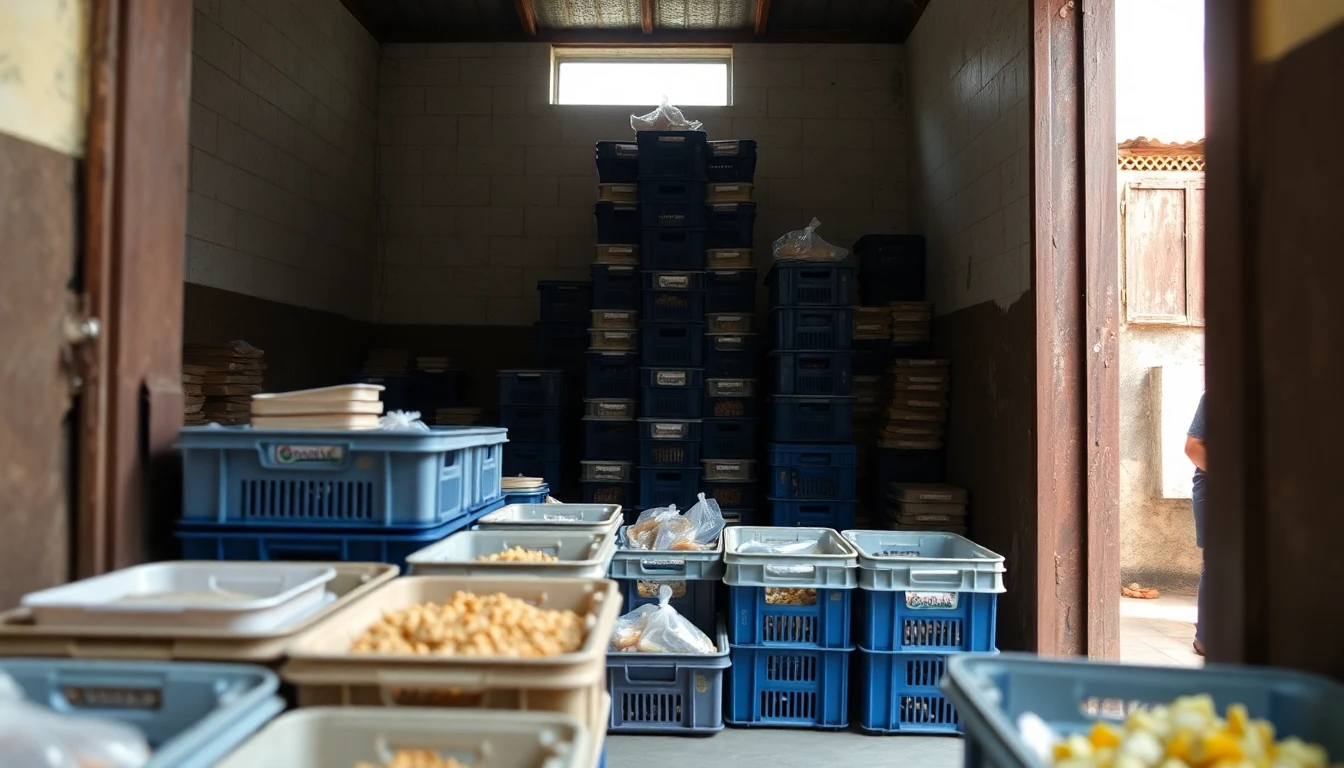
The senator also mentioned observations from the Comptroller General's Office in over 300 verifications, which found problems such as improvised dining halls, lack of utensils, absence of refrigeration, and cases like Puerto Casado, where food was delivered in plastic bags, or schools in Ciudad del Este without a kitchen or dining hall.
Based on Uruguay's experience, Iramain proposed creating objective indicators to evaluate performance, including anthropometric measurements, student tracking over time, and anonymous surveys. He made clear that he does not seek to end the program but rather to strengthen it with greater institutionalization and independent evaluation, preferably under the management of the Ministry of Education.
The program is funded mainly with resources from Itaipu compensations (80%) and the National Treasury (20%), and is executed by departmental governments, except in Central, Presidente Hayes, and Asunción. Law No. 7264 created the National School Feeding Fund (FONAE) to universalize access to food during the 180 days of the school year.
In a separate analysis, sociologist Luis Ortiz, an expert in educational research, argued that the state is still far from guaranteeing total gratuity in public education. He highlighted that families, especially the poorest, continue to bear complementary expenses, such as information technologies and supplies not provided in school kits. In 2025, family spending represented about 43% of household income in urban public schools.